
Interior Architecture
Learn to design interiors to make our lives healthier, more empowering and beautiful.
From reimagining architectural spaces to crafting human-centered furniture, our Interior Architecture program is rooted in curiosity, experimentation, and making. Our curriculum blends interior architecture with furniture design to give students a versatile, forward-thinking design education. You'll learn to define forms and design spaces with purpose—rooted in research, inquiry, and making.
The Master of Interior Architecture (MIARC) at Kansas State University prepares creative, human-centered designers to shape the interior environments where people live, work, learn, and gather. Housed in the College of Architecture, Planning & Design, MIARC is a first professional graduate degree rooted in one of the nation's longest-standing interior architecture programs, founded in 1963, and is accredited by the Council for Interior Design Accreditation (CIDA) and approved by the National Association of Schools of Art and Design (NASAD). Students develop as designers through a progressive sequence of design studios, technical coursework, and hands-on making — most distinctively expressed through the program's Furniture Design Sequence — culminating in two capstone experiences: a collaborative capstone project and an individually driven design thesis. Two further practices distinguish this development: students learn to move fluidly between the scales of object, interior, and building, treating design as an interconnected system rather than a set of isolated components; and they learn to ground design decisions in research — precedent, evidence, and evaluation — rather than intuition alone. Graduates leave prepared to enter professional practice in interior architecture and interior design, pursue licensure, and contribute thoughtful, technically grounded design solutions throughout their careers.
Interior Architecture Student Work
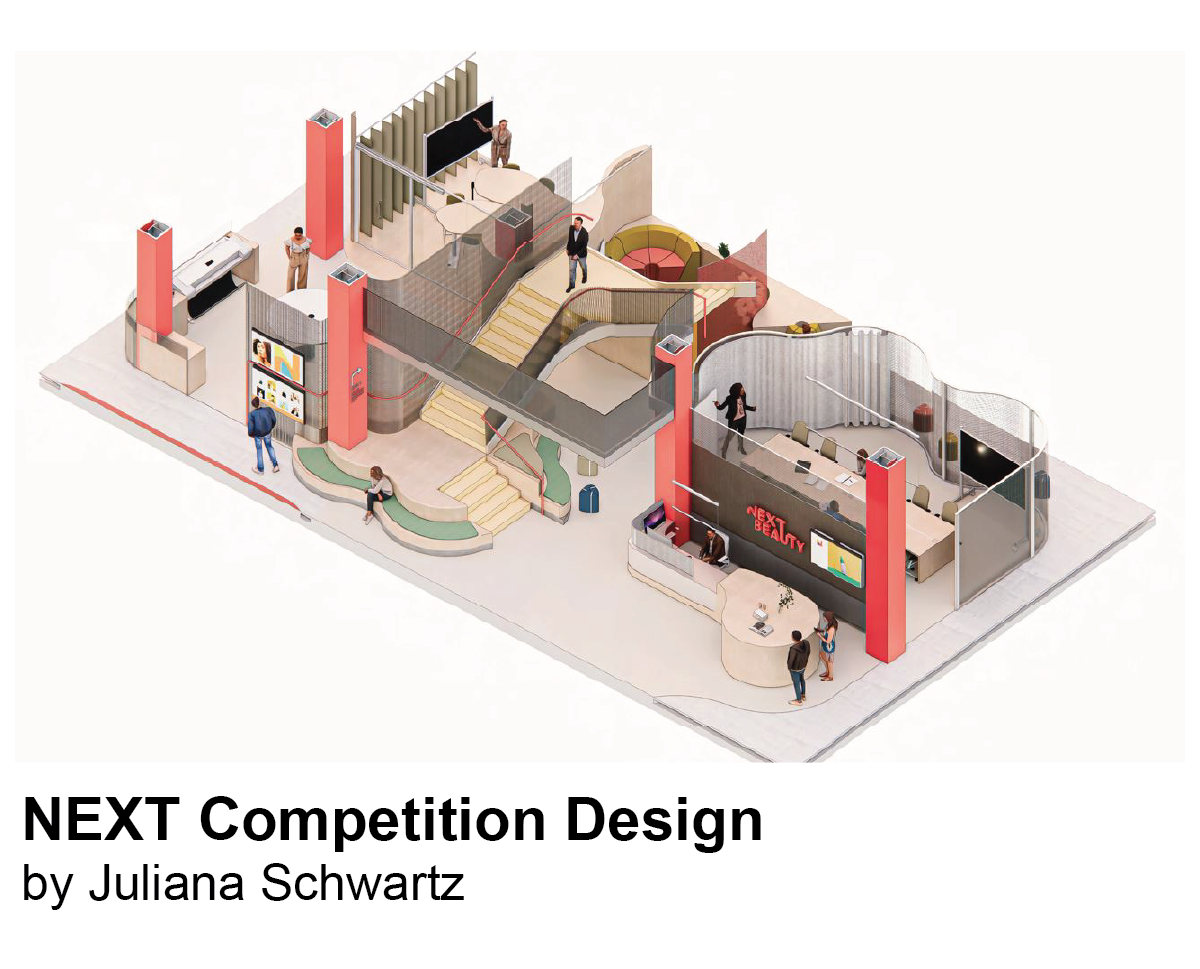 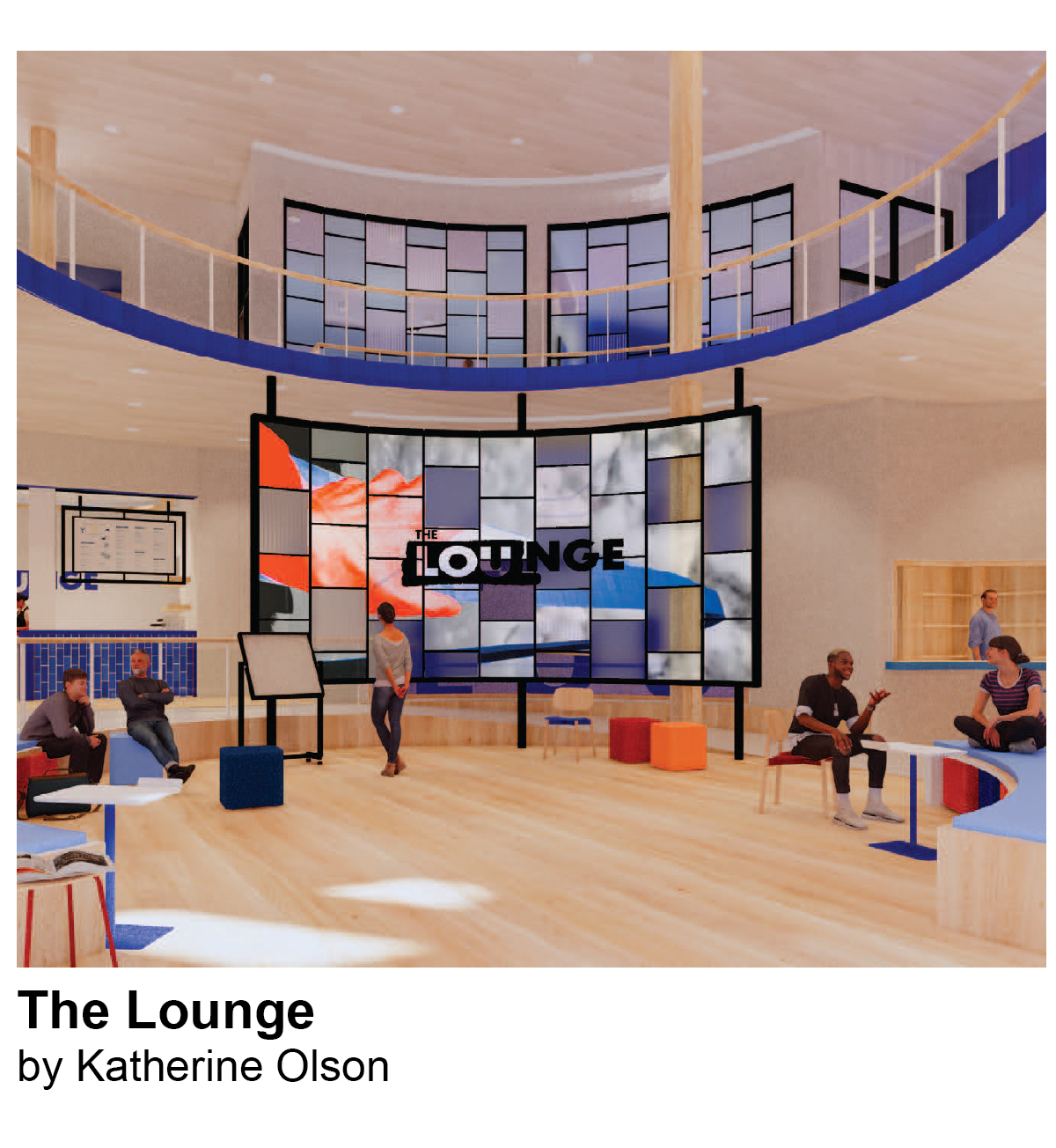  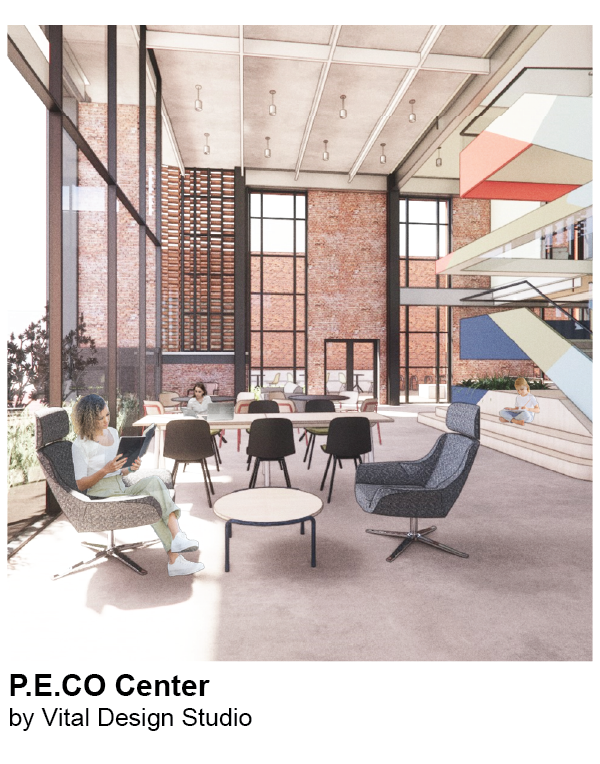  |
Furniture Design Student Work
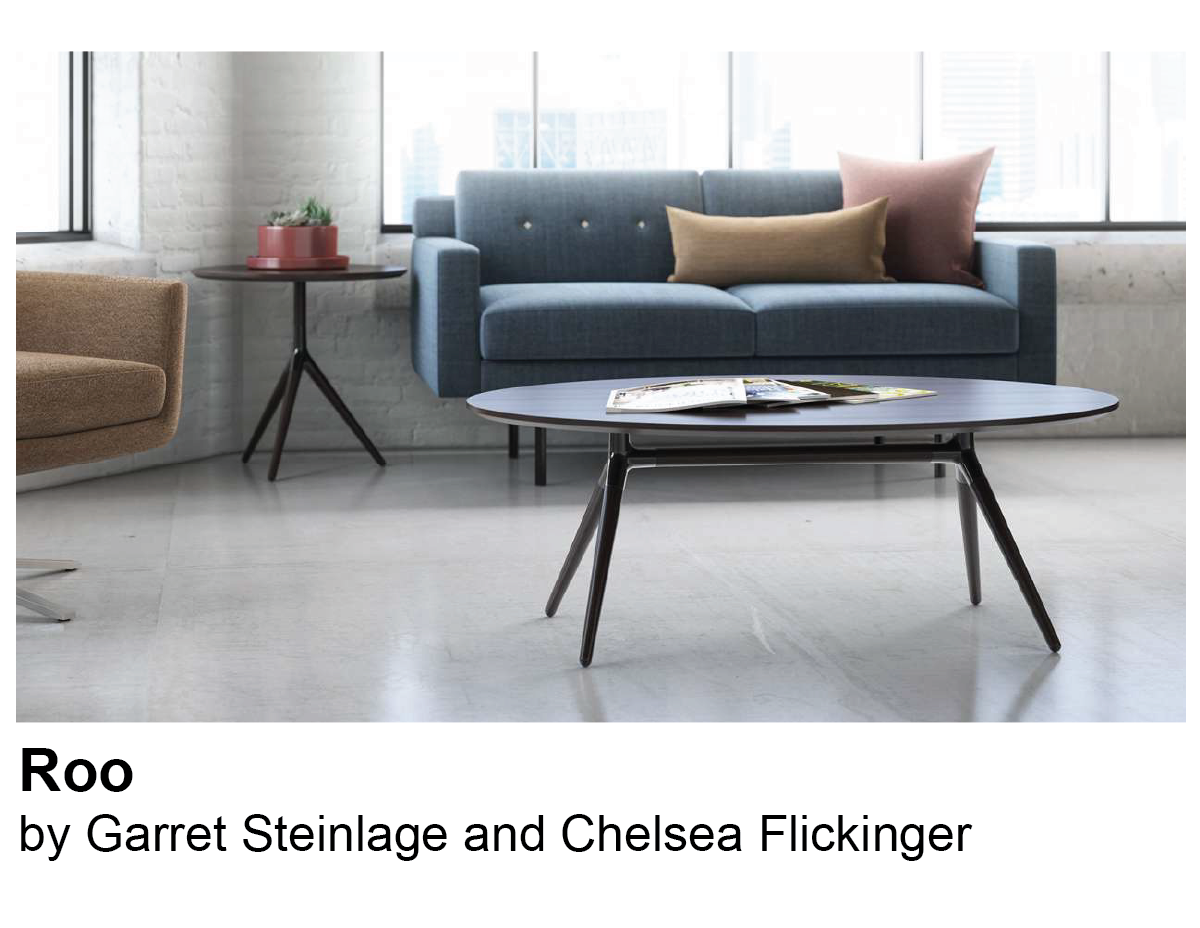 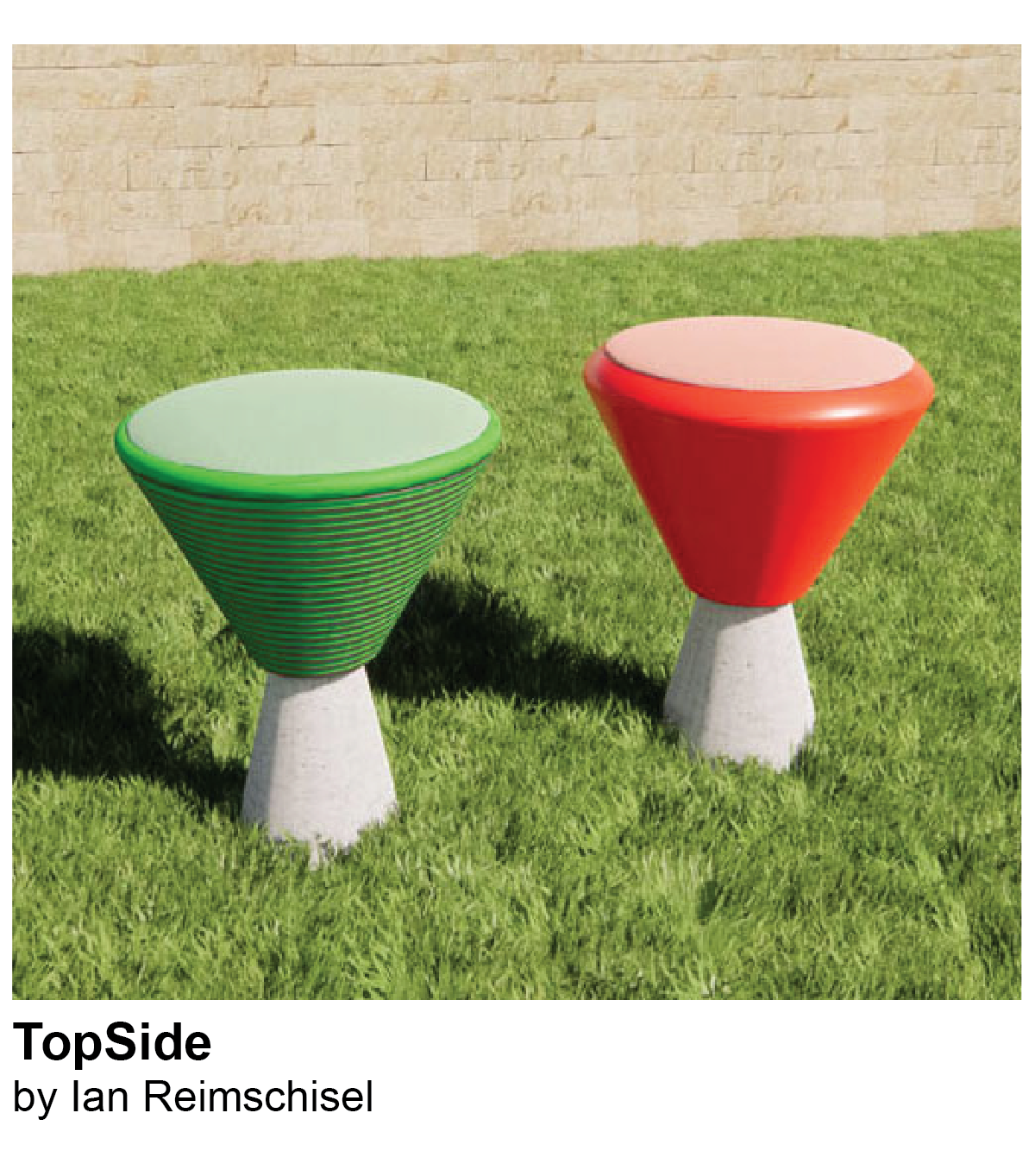  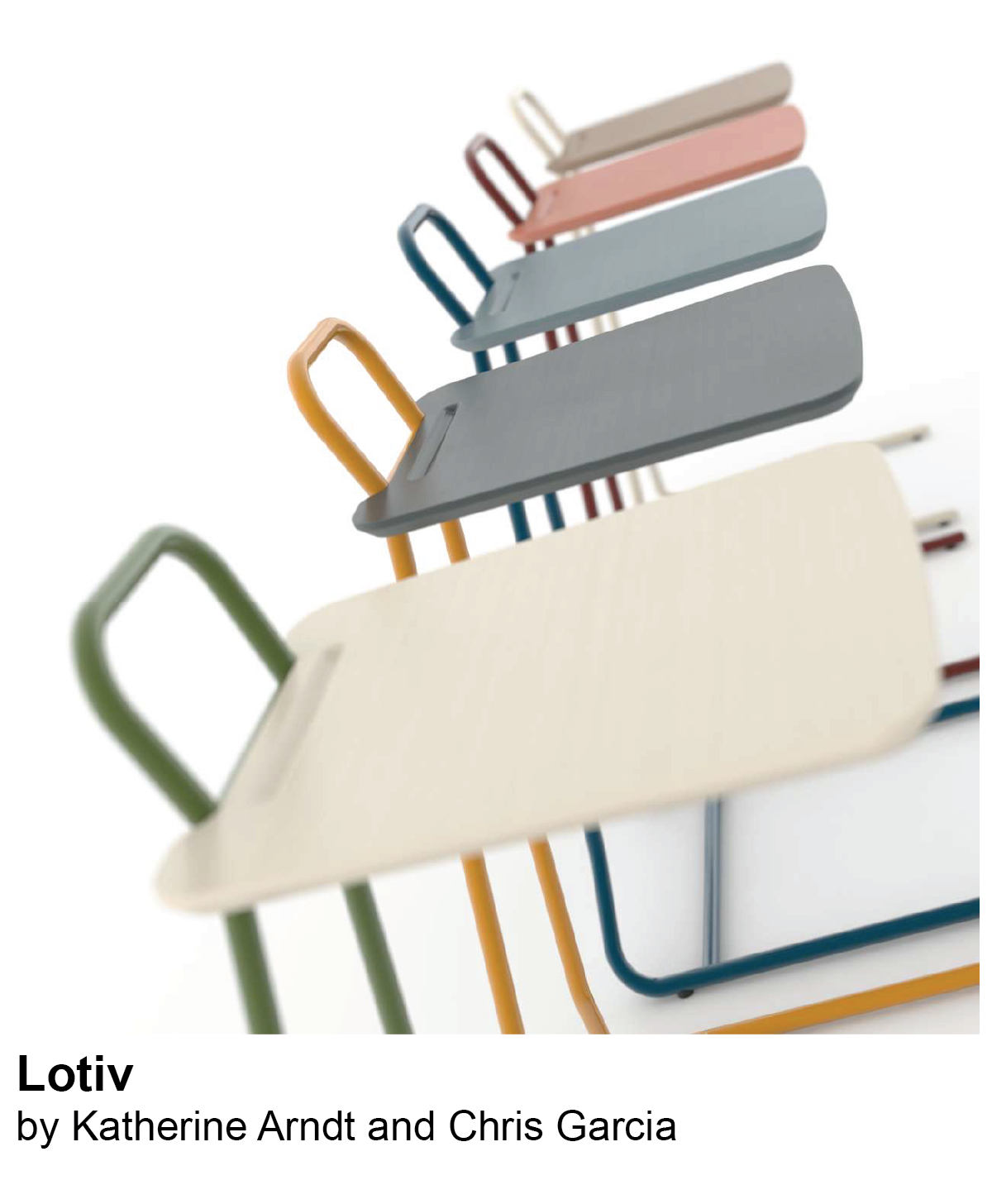 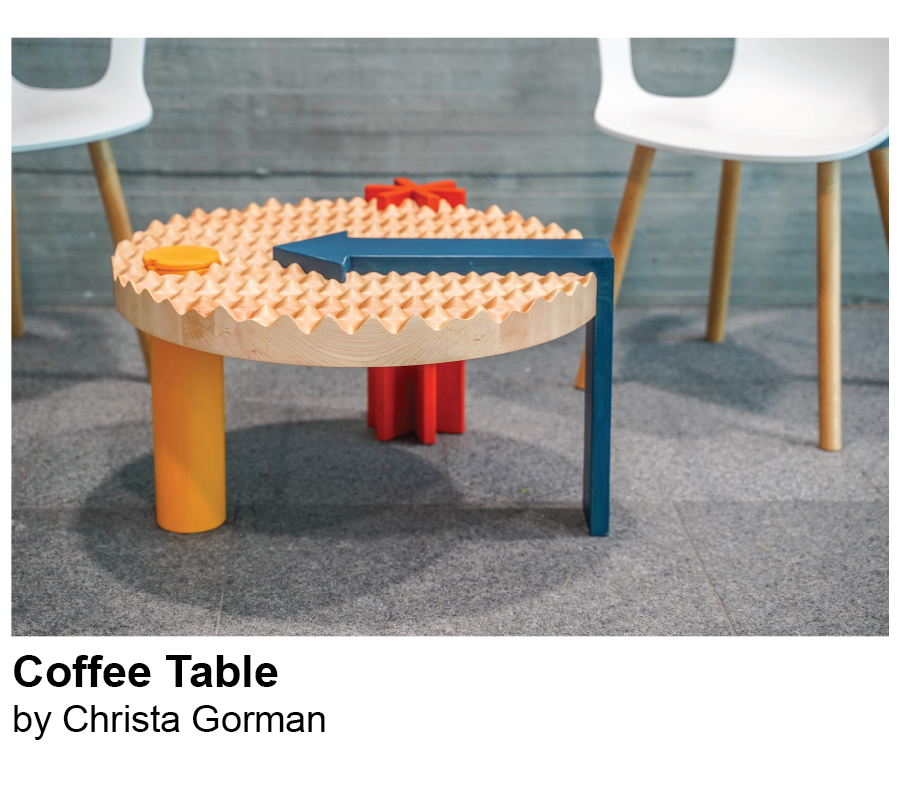 |
High School & Transfer Students
We offer an accredited 5-year Master’s degree in Interior Architecture (MIARC), built for students with no prior design training. The program begins with one year of environmental design foundations, followed by four years of focused Interior Architecture and Furniture Design coursework. The degree is accredited by CIDA and approved by NASAD.
Courses Breakdown
College Graduates
Already have a bachelor’s degree? Our 2- or 3-year MIARC program allows you to pivot into the field of Interior Architecture. Whether you're coming from a design background or a completely different discipline, we assess your experience individually. Depending on your previous degree path, you may qualify for an accelerated curriculum plan. CIDA-accredited and NASAD-approved, this program merges deep conceptual training with real-world making.
Apply for MIARC Post-Baccalaureate Program Here
Courses breakdown
Accreditation
The interior architecture program leading to the Master's degree in Interior Architecture (MIARC) is accredited by the Council for Interior Design Accreditation, www.accredit-id.org, 206 Grandville Avenue, Suite 350, Grand Rapids, MI, 49503.
The CIDA-accredited program prepares students for entry-level interior design practice, for advanced study, and to apply for membership in professional interior design organizations. The Master 's degree in Interior Architecture granted by Kansas State University meets the educational requirement for eligibility to sit for the National Council for Interior Design Qualification Examination (NCIDQ Exam). For more information about NCIDQ Exam eligibility visit: https://www.cidq.org/eligibility-requirements.
The Kansas State University interior architecture program is also approved by National Association of Schools of Art and Design.
The Master of Interior Architecture granted by Kansas State University meets the educational requirement for eligibility to sit for the National Council for Interior Design Qualification Examination (NCIDQ Exam). For more information about NCIDQ Exam eligibility visit: www.cidq.org/eligibility-requirements.
2024— 2025
- Job Placement: 24 of 24 May 2025 (100%) graduates were employed in the field by January 1, 2026.
- Acceptance into Graduate Programs: The MIARC program includes application and acceptance to the K-State Graduate School prior to the beginning of the fourth year (out of five years) of study for non-baccalaureate students. 100% of students from the May 2025 graduating class who applied to graduate school were accepted.
- Graduation Rates: 89% of these students graduated.
- Retention/Attrition: Retention for the same cohort from 2nd to 3rd year was 93%. Attrition was 7%.
2023 — 2024
- Job Placement: 30 of 30 May 2024 (100%) graduates were employed in the field by January 1, 2025.
- Acceptance into Graduate Programs: The MIARC program includes application and acceptance to the K-State Graduate School prior to the beginning of the fourth year (out of five years) of study for non-baccalaureate students. 100% of students from the May 2024 graduating class who applied to graduate school were accepted.
- Graduation Rates: 94% of these students graduated.
- Retention/Attrition: Retention for the same cohort from 2nd to 3rd year was 94%. Attrition was 6%.
2022 — 2023
- Job Placement: 29 of 30 May 2023 (97%) graduates were employed in the field by January 1, 2024. No data was collected on the remaining one (1).
- Acceptance into Graduate Programs: The MIARC program includes application and acceptance to the K-State Graduate School prior to the beginning of the fourth year (out of five years) of study for non-baccalaureate students. 100% of students from the May 2023 graduating class who applied to graduate school were accepted.
- Graduation Rates: 86% of these students graduated.
- Retention/Attrition: Retention for the same cohort from 2nd to 3rd year was 86%. Attrition was 14% (5 students), and represents those who transferred to the new M.INDD degree.